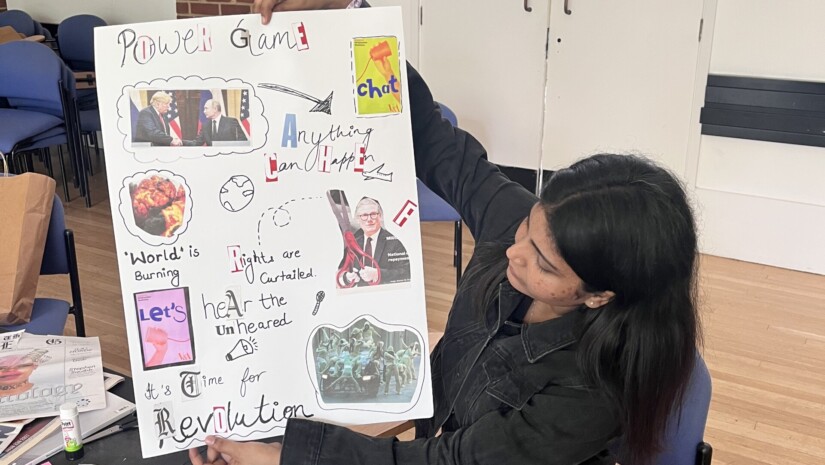
As part of R&D at Stby, I focused on designing for activism. The goal was to understand how activists work, the challenges they face, and what kinds of support could strengthen their efforts.
Often, public attention centres on the most visible leaders of movements. Yet behind them are countless commoners who march in protests, attend policy discussions, raise funds, and keep the momentum alive. My project focused on these less visible individuals, their experiences, struggles, and what could make their work more sustainable.
To explore this, I carried out qualitative interviews, one-to-one conversations, desk research, auto-ethnographic methods, and a deeper analysis of various movements. Together, these methods offered insight into both the personal and structural barriers activists encounter.
Key Insights
From the research, two recurring challenges stood out:
- Dominant mental models such as “If we’re not angry, we’re not serious” or “We must always be fighting” lock movements into cycles of crisis, over-reliance on anger, and repetitive strategies.
- Structural gaps, especially the absence of decision-making infrastructure, make it difficult for movements to adapt and generate new ideas.
Secondary research reinforced these findings:
- 71% of movements fail due to Internal conflicts more than external opposition.
- 67% of them lack clear political objectives and insufficient infrastructure (65%), further weakening the sustainability of movements.
By clustering notes, case studies, and self-reflections, I identified recurring patterns of burnout and conflict that often remain invisible within activist cultures, which enabled me to form the Problem Statement: How might we support activists to reflect on their work so they can build stronger, more emotionally aware, and adaptable movements?
Experimenting with Reimagination
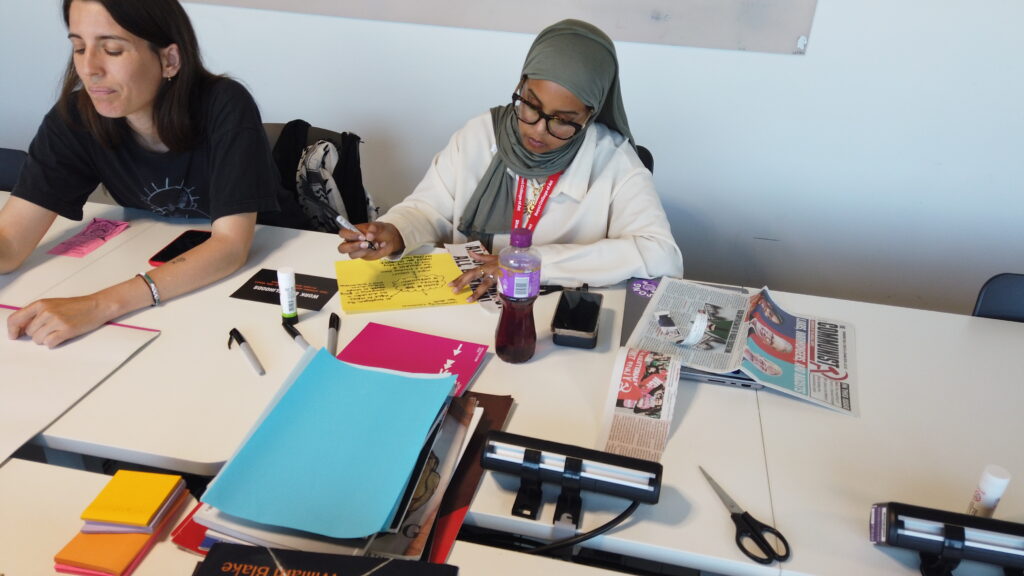
To test how reimagination might take root in activist spaces, I ran 3 workshops with participants from diverse causes like education, civil rights, climate change, governance, and technology.
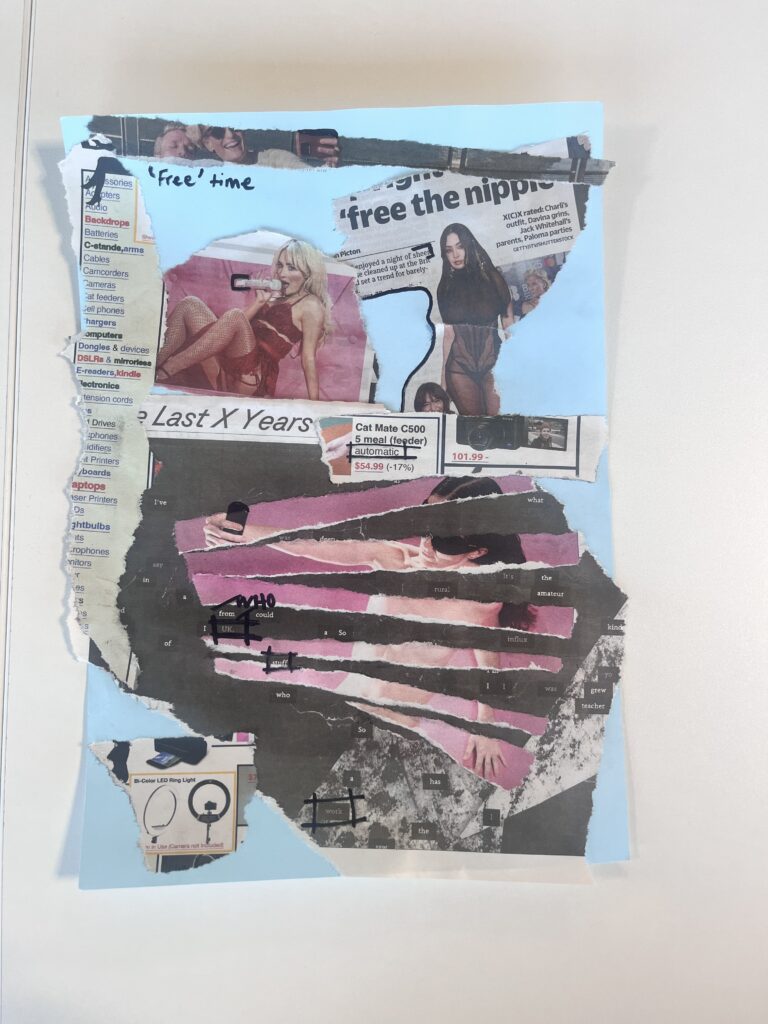
The main purpose of the workshop was to encourage activists to reflect on how they might move beyond burnout. Each group received a simple kit of scissors, glue, magazines, and newspapers, and was asked to collage their reimagined worlds. This tactile activity created a low-pressure entry point into future thinking and building the muscle around the act of imagining.
Key Learnings from the Workshops
1. Reimagination Requires Priming
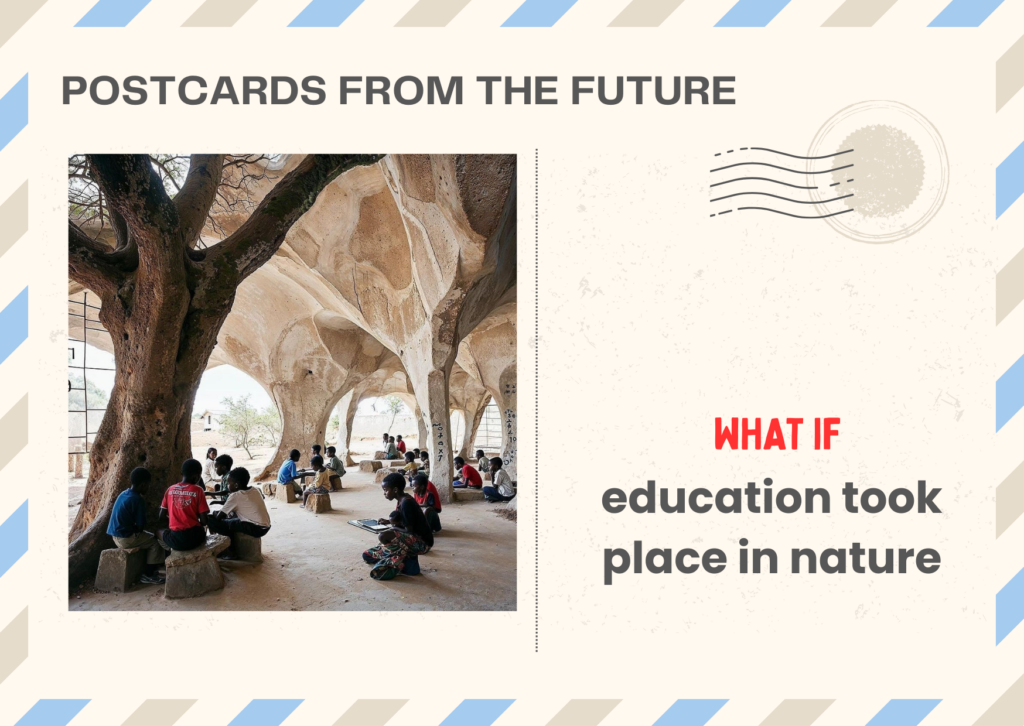
Participants needed help to ease into imaginative work. Simple entry points like postcards with one image and a short title proved effective in shifting mindsets and opening new perspectives.
2. Allow Time to Ease In
At least 30 minutes were needed before deeper flow began. Reimagination cannot be rushed. Collage was powerful because it slowed people down, encouraged play and pushed their thinking for alternate realities. For many, tearing and reassembling fragments became an act of rebellion – a way to rebuild new stories from broken systems.
3. Keep the Collage Kit Minimal
A small, curated set of materials, scrap paper, a few newspapers, and pens worked better than large supplies. Fewer options reduced decision fatigue and kept focus on meaning rather than aesthetics.
4. Reimagination Feels Like a Luxury
Many participants felt imagining alternatives was indulgent compared to urgent daily struggles. The real challenge was to get the participants to understand that imagination is important, and “How can reimagination be framed as urgent, collective work?”
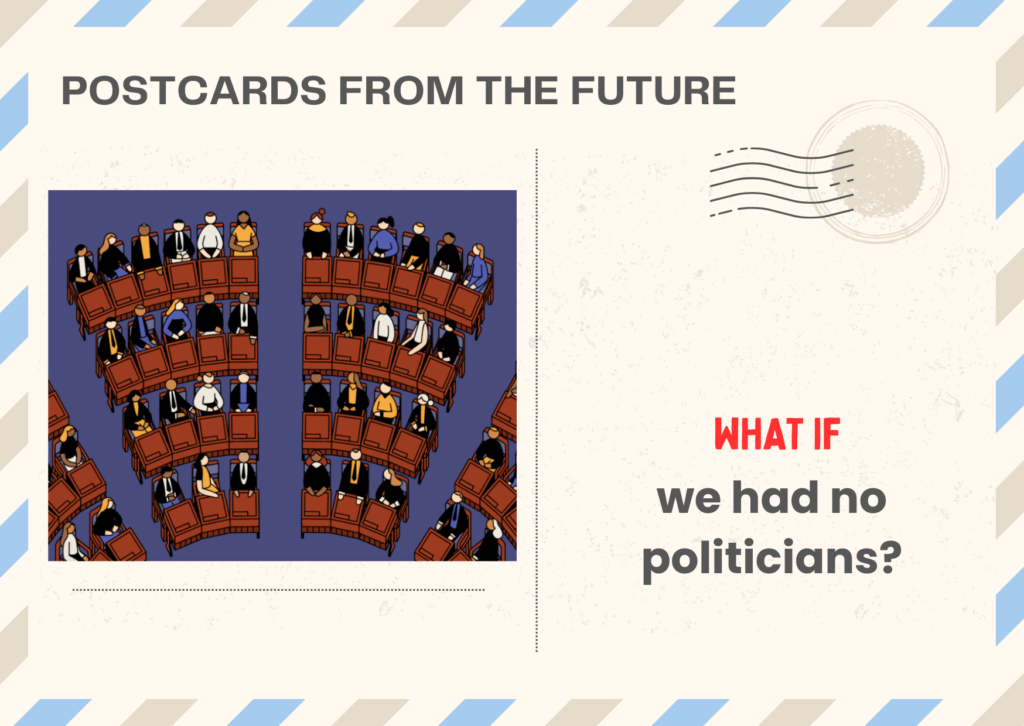
Towards Better Conditions for Reimagination
To make reimagination more accessible and grounded, several supportive structures could help:
- A self-rating scale at the start of workshops helps participants reflect in their own words on where they are and what might move them forward. This simple step allows them to locate their starting point and relieves the pressure to perform at a certain pace.
- Gentle handholding guide – a one-pager with prompt questions, stickers, or postcards to support those who feel stuck.
- Group storytelling exercises help break down silos, challenge habitual ways of thinking, and enable collective visioning, gently nudging people toward new perspectives.
Conclusion
This project showed that reimagination is not just a creative exercise – it is also a political practice for activists. Yet in many cases, it emerged as an almost dormant skill, rarely used or nurtured. Common statements such as “Nothing will change,” “I can’t imagine anything better,” or “This feels pointless” revealed how reimagination had withered in these spaces, leaving little room for alternative visions to take shape.
Creating spaces where activists can safely and collectively imagine alternatives is essential for resilience, adaptability, and long term sustainability of these movements. Designing for activism is therefore not only about strategies of resistance, but also about building infrastructures of care, creativity, and possibility.